quarta-feira, 26 de junho de 2019

Shopping


Here are some useful phrases you can learn for when you go clothes shopping.

Where you can buy clothes
There are different types of clothes shops. Here are some common ones:
shopping centre = large building with lots of different shops inside (= shopping mall in American English)
boutique = small shop, often expensive, with designer label clothes
charity shop (goodwill in American English) = shop where you can buy second-hand ( = not new) clothes. The money you pay for them goes to charity
factory outlet = shop where you can buy clothes directly from the factory that makes them. Often these clothes (or shoes) are "samples".
department store = large shop with "departments" for men's clothes, women's clothes, household objects, etc.
chain store = a "brand" that has shops in many different towns, such as "Zara" or "H&M".


Useful phrases a shop assistant says


"Can I help you?"
"Are you looking for anything in particular?"
"Do you need any help at all?"
"We don't have any of these left in stock." ( = There is no more of something.)


Useful phrases a customer says


"I'm looking for …"
"I'd like to buy…"
Indicating a piece of clothing
"Do you have this in …"
- medium / large / small / extra large / XL
- blue / black / beige (other colours etc)


Talking about the price


Clothes shops have "sales" when some or all the clothes are discounted.
"Is this in the sales?"
"Is this on sale?"
"There's a discount of 20% on this."
"These jeans are discounted by 20%."
"It's a bargain." (= the low price is a surprise)
"It's cheap." (= doesn't cost much money)
"It's expensive." (= costs a lot of money.)


Trying something on


When you go clothes shopping, you probably want to try something on before you buy it so you know it's the right size or that it looks good on you!
"I'd like to try this on please. Where are the changing rooms?"
"Can I try this on?"
Example conversation
Can I try this on?
Sure. The changing rooms are over there…
… (later)
Any good?
No, not really. (It's the wrong size / It doesn't really suit me.)
Or, "Yes, I'll take it."
Paying
"Where I can pay?"
"The cash tills are over there."


Other useful vocabulary


to suit = to be in your style, or to compliment your body shape or skin / hair colour
"That dress really suits you!"
to fit = to be the right size
"These jeans don't fit very well."
Clothes can be…
… too big (size "Large" when you are size "Small")
… too small (small size when you are large size)
… too tight (waist measurement 34 when you are waist 38)
… too loose (waist measurement 38 when you are waist 34)
… too long (jeans leg measurement 34 when your leg measurement is 32)
… too short (jeans leg measurement 32 when your leg measurement is 34)
to go well with / to match = to look good with your other clothes
"This jumper goes well with my trousers."
"This colour jumper matches your new trousers."

Types of shops in English


department store
 – a shop that sells many different items in different departments. Harrods is probably the world's best known department store.
supermarket – a large shop that sells mostly food and household items.
grocer (UK) / grocery store (US) – a shop that sells food.
greengrocer – sells fresh fruit and vegetables.
butcher - sells fresh meat.
baker – sells fresh bread and cakes.
fishmonger – sells fresh fish.
chemist (UK) / drugstore (US) – sells medicines and toiletries.
pharmacy (US) – sells medicines.
newsagent - sells newspapers and magazines.
stationer – sells paper goods.
optician – sells glasses / contact lenses.
DIY store – sells things for home improvement.
hardware shop / hardware store / ironmonger – hard goods, such as nails and screws.
corner shop (UK) – a shop on the corner of your street, selling a range of basic goods – food, newspapers, sweets, bread, etc.
delicatessen (deli) – sells specialist food not normally found in supermarkets. For example, an Italian deli, an Asian deli.
bookshop bookstore – books.
market – market traders (people who work on a market) have stalls that sell fruit and vegetables, clothes, household items and so on.
petshop - for pets and pet food.
flea market – a group of stalls selling old furniture or clothes.
tea shop (UK) – like a cafe, but sells tea and cakes.
petrol station (UK) / gas station (US) sells petrol, car products and sometimes food.


Using 's


When we talk about shops, we often put an 's on the end. For example, "I'm going to the chemist's / greengrocer's / butcher's / baker's / newsagent's / fishmonger's / optician's."
We don't use an 's with these shops: supermarket, hardware store, petrol station, department store.


Sales vocabulary


December 26 (or Boxing Day) is traditionally the start of the winter sales in the UK, when items are heavily discounted. In fact, bargain hunters can find some items reduced up to 50% off their pre-sale price.
An unbeatable offer / prices slashed (= cut) or give-away prices mean very low prices.
Clearance Sale / Everything must go! = signs in shop windows advertising the sales
snap up a bargain = to buy something cheaply


Asking for things


"Do you have any…?"
"I'm looking for…"
"I wonder if you could help me…?"


What the shopkeeper says


"I'm sorry, we're out of stock."
"I'm sorry, that's the last one."
"I'm sorry, that's all we have left."


What a sales person says


"Can I help you?"
"Are you looking for anything in particular?"


Your reply


"I'm just looking, thank you."
"I'm just browsing, thank you."


Asking about things


"Do you have this in another size?"
"Do you have this in another colour?"
"Is this made of leather / silk / plastic…?"
"Does this come with a guarantee?"
"Is this fully refundable?"
"Can I bring this back if it's not the right size?"
"Can I bring this back if it doesn't fit?"


Paying – what the shopkeeper says


"Do you have anything smaller?" (If you pay with a large denomination note.)


Paying – what you say


"I'm sorry, I don't have any small change."
"I don't have anything smaller."
"Would you have change for this?"
"Can I have the receipt, please?'
"Can I pay by credit card?"
"Can I pay in cash?"
"Is this on sale?"

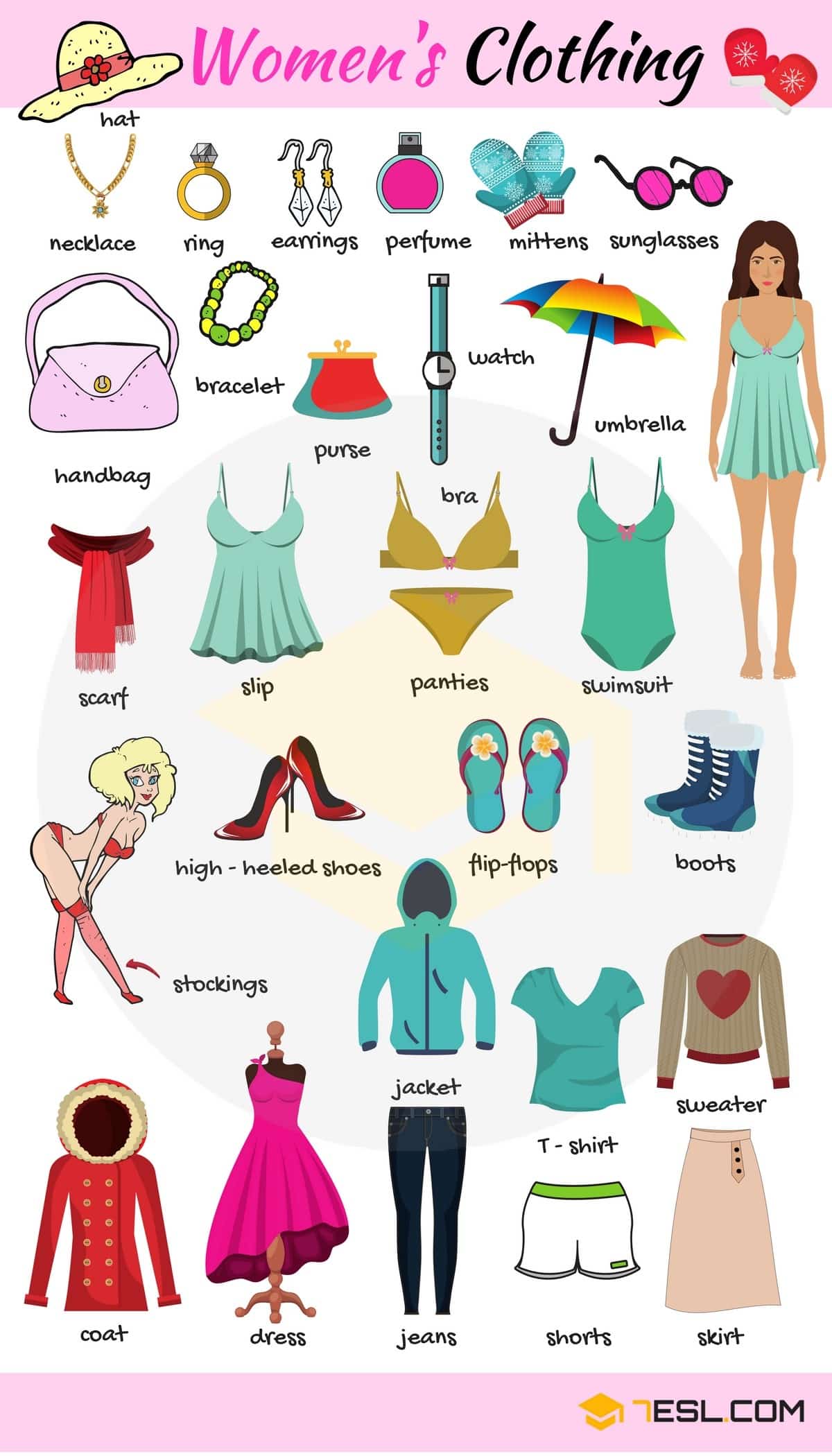
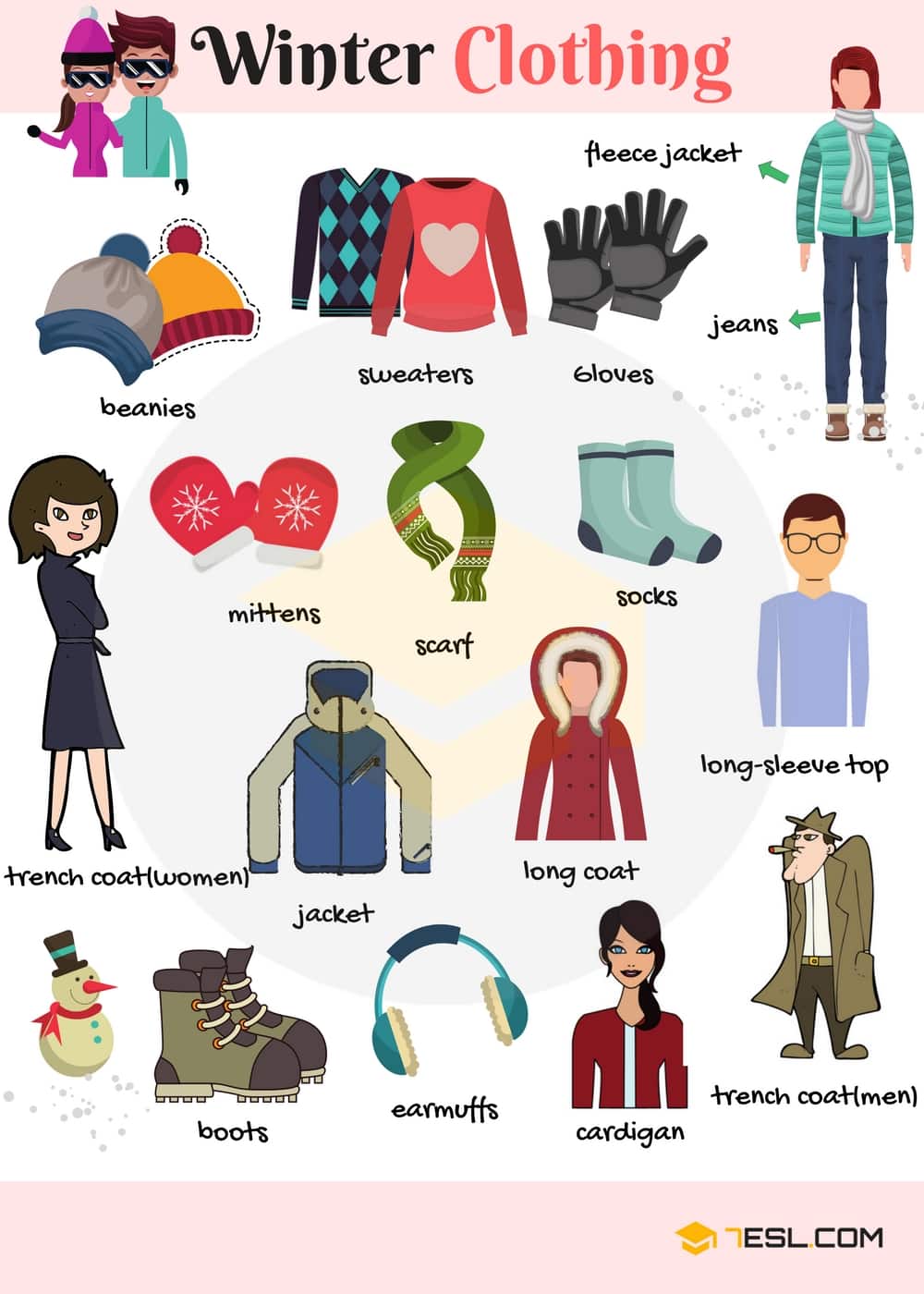
Clothes Vocabulary: Learn Clothes Name with PicturesClothes Vocabulary: Learn Clothes Name with Pictures 1Clothes Vocabulary: Learn Clothes Name with Pictures 2Clothes Vocabulary: Learn Clothes Name with Pictures 3Clothes Vocabulary: Learn Clothes Name with Pictures 4Clothes Vocabulary: Learn Clothes Name with Pictures 5Clothes Vocabulary: Learn Clothes Name with Pictures 6Clothes Vocabulary: Learn Clothes Name with Pictures 7Clothes Vocabulary: Learn Clothes Name with Pictures 8

sexta-feira, 14 de junho de 2019

At a restaurant


4 Styles of Service in the Restaurant Business

Fast Food

Fast Casual
Casual Dining

A fast-food or quick-service restaurant provides the quickest service and food at the cheapest prices. The décor in most fast-food restaurants is simple. Fast-food restaurants are often franchises of a brand with many locations. The largest-fast food chains operate globally. Some individuals choose to open small, local, non-chain fast food restaurants. Fast-food restaurants often include a place to dine, while some may possess only drive-through or walk-up windows for customers to order and pick up food. Fast-food restaurants often serve hamburgers, chicken, sub sandwiches, Mexican fare or ice cream.
Fast-casual restaurants are similar to fast-food restaurants, but customers often perceive the food as healthier or of higher quality. The perception of healthier or higher-quality food allows owners of fast-casual restaurants to charge higher prices than fast-food restaurants. Customers usually order their food at the counter and sit down at a table to enjoy their meal. Of course, fast-casual restaurants give customers the option to order food to go. Many fast-casual restaurants serve a specialized type of food, such as Mexican, Chinese or fresh-baked fare. While a fast-food restaurant may serve fried chicken meals, a fast-casual place may serve roasted chicken, vegetables and baked bread.
Fine-dining restaurants usually come with the most elaborate menus and expensive prices. Owners of fine-dining restaurants want to present an atmosphere of elegance and grace. Many require customers to make reservations to dine. Some restaurants enforce a certain dress code, while others do not. Fine-dining restaurants employ chefs who attended culinary schools and possess many years of experience. Most customers do not mind paying the expensive prices because of the perceived value they receive from eating at fine-dining restaurants. Some restaurants offer five-course meals and an expensive and expansive wine list.
Casual-dining restaurants offer food similar to fast-casual establishments but with a table-service dining atmosphere. Most casual-dining restaurants provide a family-friendly environment. The menus at casual dining restaurants are usually more extensive than at fast-casual places. Casual-dining restaurants employ waiters who take customers’ orders and serve the food. The prices of casual-dining restaurants are lower than at fine-dining restaurants, but a little more expensive than at fast-casual places. These restaurants may serve a variety of pastas, chicken dishes and simple seafood dishes. Some have highly specialized menus, but others serve a broad range of cuisine.
Vocabulary you may use
1) The waiter


What can I do for you?
Can I help you?
Can I take your coat?
Have you booked a table?
How many are you?
Would you follow me, please?
Can I take your order, sir/madam?
What would you like to start with?
What would you like to drink?
What would you like for dessert?
How would you like your steak? (rare, medium, well done)
Do you want a salad with it?
What kind of dressing?
Anything to drink?
Do you want a dessert?
The burgers are very good.
Sorry, the hamburgers are off.
Is everything all right?
Did you enjoy your meal?
Are you paying together?
May I show you to a table?
If you wait, there'll be a table for you free in a minute.
Do you want vegetables with it?
Why don't you try the pizza?
It'll take about 20 minutes.

2) The guest


A table for two, please.
May we sit at this table?
The menu, please.
What's on the menu?
Do you want fish?
What's Irish Stew like?
We're not ready yet.
The steak for me, please.
Can you bring me the ketchup, please?
A salad, please.
I'll have the same.
That's all, thank you.
Can I have the bill (AE: check), please?
This is on me.
Here you are.
The rest is for you.
Have you got wine by the glass?
I'd prefer red wine.
Please bring us another beer.
Could I have chips (AE: French Fries) instead of salad?
What can you recommend?
Please bring me the bill (AE: check) with my coffee.
I think you've made a mistake.


quarta-feira, 24 de abril de 2019

At A Hotel

Making Reservations


Receptionist: Good morning. Welcome to The Grand Woodward Hotel.
Client: Hi, good morning. I'd like to make a reservation for the third weekend in September. Do you have any vacancies?
R: Yes sir, we have several rooms available for that particular weekend. And what is the exact date of your arrival?
C: The 24th. 
R: How long will you be staying?
C: I'll be staying for two nights.
R: How many people is the reservation for?
C: There will be two of us.
R: And would you like a room with twin beds or a double bed? 
C: A double bed, please.
R: Great. And would you prefer to have a room with a view of the ocean?
C: If that type of room is available, I would love to have an ocean view. What's the rate for the room?
R: Your room is five hundred and ninety dollars per night. Now what name will the reservation be listed under?
C: Charles Hannighan.
R: Could you spell your last name for me, please?
C: Sure. H-A-N-N-I-G-H-A-N
R: And is there a phone number where you can be contacted?
C: Yes, my cell phone number is 555-26386.
R: Great. Now I'll need your credit card information to reserve the room for you. What type of card is it?
C: Visa. The number is 987654321.
R: And what is the name of the cardholder?
C: Charles H. Hannighan. 
R: Alright, Mr. Hannighan, your reservation has been made for the twenty-fourth of September for a room with a double bed and view of the ocean. Check-in is at 2 o'clock. If you have any other questions, please do not hesitate to call us. 
C: Great, thank you so much.
R: My pleasure. We'll see you in September, Mr. Hannighan. Have a nice day.

Checking-In

Hotel: Good afternoon. Welcome to the Grand Woodward Hotel. How may I help you?
Guest: I have a reservation for today. It's under the name of Hannighan.
Hotel: Can you please spell that for me, sir?
Guest: Sure. H-A-N-N-I-G-H-A-N.
Hotel: Yes, Mr. Hannighan, we've reserved a double room for you with a view of the ocean for two nights. Is that correct?
Guest: Yes, it is.
Hotel: Excellent. We already have your credit card information on file. If you'll just sign the receipt along the bottom, please.
Guest: Whoa! Five hundred and ninety dollars a night! 
Hotel: Yes, sir. We are a five star hotel after all.
Guest: Well, fine. I'm here on business anyway, so at least I'm staying on the company's dime. What's included in this cost anyway?
Hotel: A full Continental buffet every morning, free airport shuttle service, and use of the hotel's safe are all included. 
Guest: So what's not included in the price?
Hotel: Well, you will find a mini-bar in your room. Use of it will be charged to your account. Also, the hotel provides room service, at an additional charge of course.
Guest: Hmm. Ok, so what room am I in?
Hotel: Room 487. Here is your key. To get to your room, take the elevator on the right up to the fourth floor. Turn left once you exit the elevator and your room will be on the left hand side. A bellboy will bring your bags up shortly.
Guest: Great. Thanks.
Hotel: Should you have any questions or requests, please dial 'O' from your room. Also, there is internet available in the lobby 24 hours a day.
Guest: Ok, and what time is check-out?
Hotel: At midday, sir.
Guest: Ok, thanks.
Hotel: My pleasure, sir. Have a wonderful stay at the Grand Woodward Hotel.


Check-out / Getting to the airport

Hotel: Did you enjoy your stay with us?
Guest: Yes, very much so. However, I now need to get to the airport. I have a flight that leaves in about two hours, so what is the quickest way to get there?
Hotel: We do have a free airport shuttle service. 
Guest: That sounds great, but will it get me to the airport on time?
Hotel: Yes, it should. The next shuttle leaves in 15 minutes, and it takes approximately 25 minutes to get to the airport.
Guest: Fantastic. I'll just wait in the lounge area. Will you please let me know when it will be leaving?
Hotel: Of course, sir. Oh, before you go would you be able to settle the mini-bar bill?
Guest: Oh yes certainly. How much will that be?
Hotel: Let's see. The bill comes to $37.50. How would you like to pay for that?
Guest: I'll pay with my Visa thanks, but I'll need a receipt so I can charge it to my company.
Hotel: Absolutely. Here we are sir. If you like you can leave your bags with the porter and he can load them onto the shuttle for you when it arrives.
Guest: That would be great thank you.
Hotel: Would you like to sign the hotel guestbook too while you wait?
Guest: Sure, I had a really good stay here and I'll tell other people to come here.
Hotel: That's good to hear. Thank you again for staying at The Grand Woodward Hotel.


Aditional Vocabulary


BATH TOWEL / HAND TOWEL

HANGER

HAIR DRYER

BLANKETS

MAID

PILLOW

(BAR OF) SOAP

DOUBLE BED

SINGLE BEDS

BELLBOY (US)
PORTER (UK)

CONTINENTAL BREAKFAST

BULB

DENTAL FLOSS

DEODORANT

MAID'S CART / TROLLEY

MOUTHWASH

AFTER SHAVE

RAZOR

SHAVING CREAM

TAMPON

TOOTHBRUSH

TOOTHPASTE


FRIENDS - ROSS AND CHANDLER STAY AT A HOTEL


sexta-feira, 5 de abril de 2019

At the airport


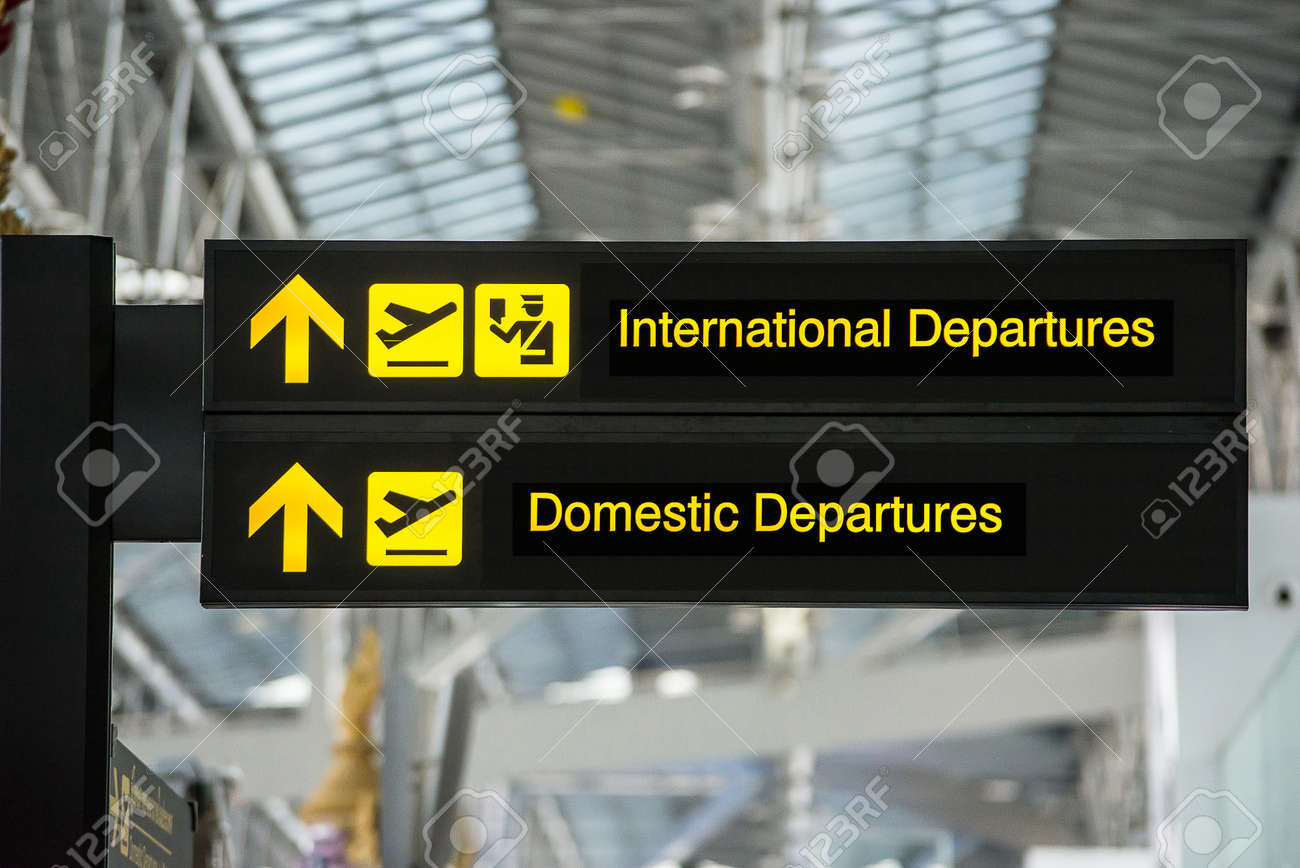
Resultado de imagem para international departures sign

At the check-in desk

•Agent: Good afternoon! Where are you flying to today?
•You: Los Angeles.
•Agent: May I have your passport, please?
•You: Here you go.
•Agent: Are you checking any bags?
•You: Just this one.
•Agent: OK, please place your bag on the scale.
•You: I have a stopover in Chicago – do I need to pick up my luggage there?
•Agent: No, it’ll go straight through to Los Angeles. Here are your boarding passes – your flight leaves from gate 15A and it’ll begin boarding at 3:20. Your seat number is 26E.
•You: Thanks.

Common phrases and vocabulary words:

•Instead of “Where are you flying today?” the agent may ask “What’s your final destination?” The answer will be the same!

•You can say “Here you go” when you give something to somebody, as in this example when you give the passport to the agent.

•Check your bags means to put them on the airplane inside the cargo compartment. The small bag you take with you on the airplane is called a carry-on. You need to put your carry-on bags through the X-ray machine at security.

•The scale is the equipment that tells you the weight of your luggage (for example, 45 kilograms)

•A stopover or layover is when the airplane stops in a different city before continuing to the final destination

•If the agent says that your luggage will go straight through, it means it will go directly to the final destination (and you don’t need to pick it up during your stopover)

•Boarding passes are the tickets that permit you to enter the airplane

•When a plane begins boarding, it means that the passengers start to enter the plane. Usually boarding time is 30-60 minutes before takeoff (when the plane leaves)

Extra Tips and Suggestions:

•If you don’t know where the check-in desk is, you can ask an airport employee, “Excuse me, where is the Delta check-in desk?” or, “Excuse me, where is the American Airlines check-in desk?”

•If your bag is heavier than the weight limits, or if your bag is larger than the size limits, you may need to pay an oversized baggage fee or overweight baggage fee (this can be $75 to $300). Some airlines in the United States also charge a fee for ALL checked bags (usually $15 to $30).

•If you have fragile or sensitive items in your bag that might break, you can ask the agent, “Please mark this bag as ‘fragile.’

•If you want to ask if the flight will leave at the correct time, you can say, “Is the flight on time?” The agent will respond either “Yes” if the flight is on the correct schedule, or “There’s a 20-minute delay” (for example) if the flight will leave later than expected.

Extra questions

You will probably be asked some extra security questions before or during check-in. Here are some sample questions and the correct responses:

•Agent: Did you pack your bags yourself?
•You: Yes. Agent: Are you carrying any firearms or flammable materials? You: No.
•Agent: Has your luggage been in your possession at all times?
•You: Yes. *Be careful here – some agents ask if your luggage has been “in your possession at all times” and others ask if your luggage has been “outside your supervision (or possession) at any time.” The answer to the first question is YES and the answer to the second question would be NO.
•Agent: Has anyone given you anything to carry on the flight?
•You: No.
•Agent: Are you aware of the regulations regarding liquids in your carry-on, which must 3.4 ounces or less and placed inside a single quart-sized transparent plastic bag?

•You: Yes.

Going through security

There are two pieces of equipment in security: you put your bags through the X-ray machine, and you walk through the metal detector. The X-ray machine has a conveyor belt that moves your bags automatically through the machine. You can put small items like keys or money into plastic bins.


Agent: Please lay your bags flat on the conveyor belt, and use the bins for small objects.
You: Do I need to take my laptop out of the bag?
Agent: Yes, you do. Take off your hat and your shoes, too.
•(you walk through the metal detector)
•[BEEP BEEP BEEP BEEP]Agent: Please step back. Do you have anything in your pockets – keys, cell phone, loose change?
You: I don’t think so. Let me try taking off my belt.
Agent: Okay, come on through.
•(you go through the metal detector again)
Agent: You’re all set! Have a nice flight.

The phrase “you’re all set” is a common expression that means “you’re finished and everything is OK.”

Phrasal Verb focus: SET OFF and GO OFF

•When the alarm sounds, we say “the alarm went off.”
•To describe what caused the alarm to sound, we say “set off” – for example, “My keys set off the alarm” or “My keys set off the metal detector.”

At the gate

Airports are divided into terminals (the major sections of the airport) and each terminal has many gates. The gate is the door you go through to enter the airplane. Here are a few announcements you might hear while you are at the gate, waiting for the plane to board.


Attention passengers of United Airlines flight 880. There has been a gate change. United Airlines flight 880 will now be leaving from gate 12.” (Travel Tip: Know your flight number in English, so that you can pay attention to the announcement and know if you need to go to a different gate.)

“United Airlines flight 880 to Miami is now boarding.” (this means it’s time for passengers to enter the plane)

“We would like to invite our first- and business-class passengers, Star Club Premium members, and passengers requiring special assistance to board at gate 12.” (this means that passengers who are “special” (first class, business class, or in the Star Club) or passengers who are elderly (old), disabled, pregnant, or with small children can go into the airplane first.)

“We would now like to invite all passengers seated in Zone 2 – that’s rows 16-35 – to begin boarding United Airlines flight 880 at gate 12.”

(look at your boarding pass to know your “zone number” and what “row” your seat number is)

“We would now like to invite all passengers to board United Airlines flight 880 to Miami at gate 12.” (this means everyone can enter the plane)

“This is the last call for United Airlines flight 880 to Miami, now boarding at gate number 12.” (this means it is the FINAL OPPORTUNITY to enter the plane before they close the doors)

“Passenger John Smith. Passenger John Smith, please proceed to the United Airlines desk at gate 12.” (sometimes the announcement will call a specific passenger by name. The word “proceed” in this context is a formal way to say “go.”)

On the plane

The people who work inside the airplane serving food and drinks are called flight attendants. Both men and women who have this job are called flight attendants. Here’s a conversation you might have on the plane:

Flight attendant: Chicken or pasta?
You: Sorry?
Flight attendant: Would you like chicken or pasta?
You: I’ll have the chicken.
Flight attendant: Anything to drink?
You: What kind of soda do you have?
Flight attendant: Coke, Diet Coke, Sprite, Orange, and Dr. Pepper.
You: A Diet Coke, no ice, please.
Flight attendant: Here you go.
You: Thanks.

Conversation Tips:

If you didn’t understand what the flight attendant said, you can say Sorry? or Pardon? to ask him or her to repeat it. If you want to ask for something, you can use the phrase “Can I have…” For example:

"Can I have a blanket?"


"Can I have a pair of earphones?" or "Can I have a headset?"


"Can I have some extra napkins?"


"Can I have some water?"


•There are two types of coffee – regular coffee, which has caffeine. This is the type of coffee that helps keep you awake. There is also Decaf coffee - this is short for “decaffeinated coffee” – and this type has no caffeine. It’s good to drink decaf coffee if you like the taste of coffee, but you want to go to sleep soon.

•Finally, if you need to stand up, but there is a person sitting between you and the aisle, you can say Excuse me and make a motion to start standing up. The person sitting next to you will understand and stand up to let you get out of your seat.